Imagine, for a moment, the sound of a heartbeat. Not your own—calm and steady as you watch this video—but the heartbeat of a man who knows he is about to die. Now, imagine that man is the most feared general on the face of the earth. He has nine hundred chariots of iron. He has crushed kings. He has silenced entire nations.
But tonight? Tonight, his life doesn’t depend on his sword. It doesn’t depend on his army. It depends on a bowl of milk, a heavy blanket, and the mercy of a woman he doesn’t even know.
Welcome to one of the most shocking, brutal, and controversial stories in the entire Bible. It is a story of a war that seemed impossible to win, a prophecy that sounded like an insult, and a woman named Jael who did the unthinkable.
Before we go any further, I have to ask you: How far would you go to save your people? Would you have the stomach to do what Jael did?
By the end of this video, you are going to see exactly why this story changed the course of history forever. And wait until you hear the hidden detail about why Sisera chose this specific tent—it’s a detail that most people miss, and it changes everything about her “betrayal.”
If you’re ready to dive into the deep, dark waters of the Book of Judges, hit that like button right now. It helps us keep bringing these powerful biblical stories to life. Let’s head to the front lines.
For twenty years, the sky over Israel wasn’t blue—it was the color of iron.
For two decades, the Canaanite King Jabin had kept the children of Israel under his thumb. But Jabin wasn’t the one they feared most. No, that honor belonged to his commander-in-chief: Sisera.
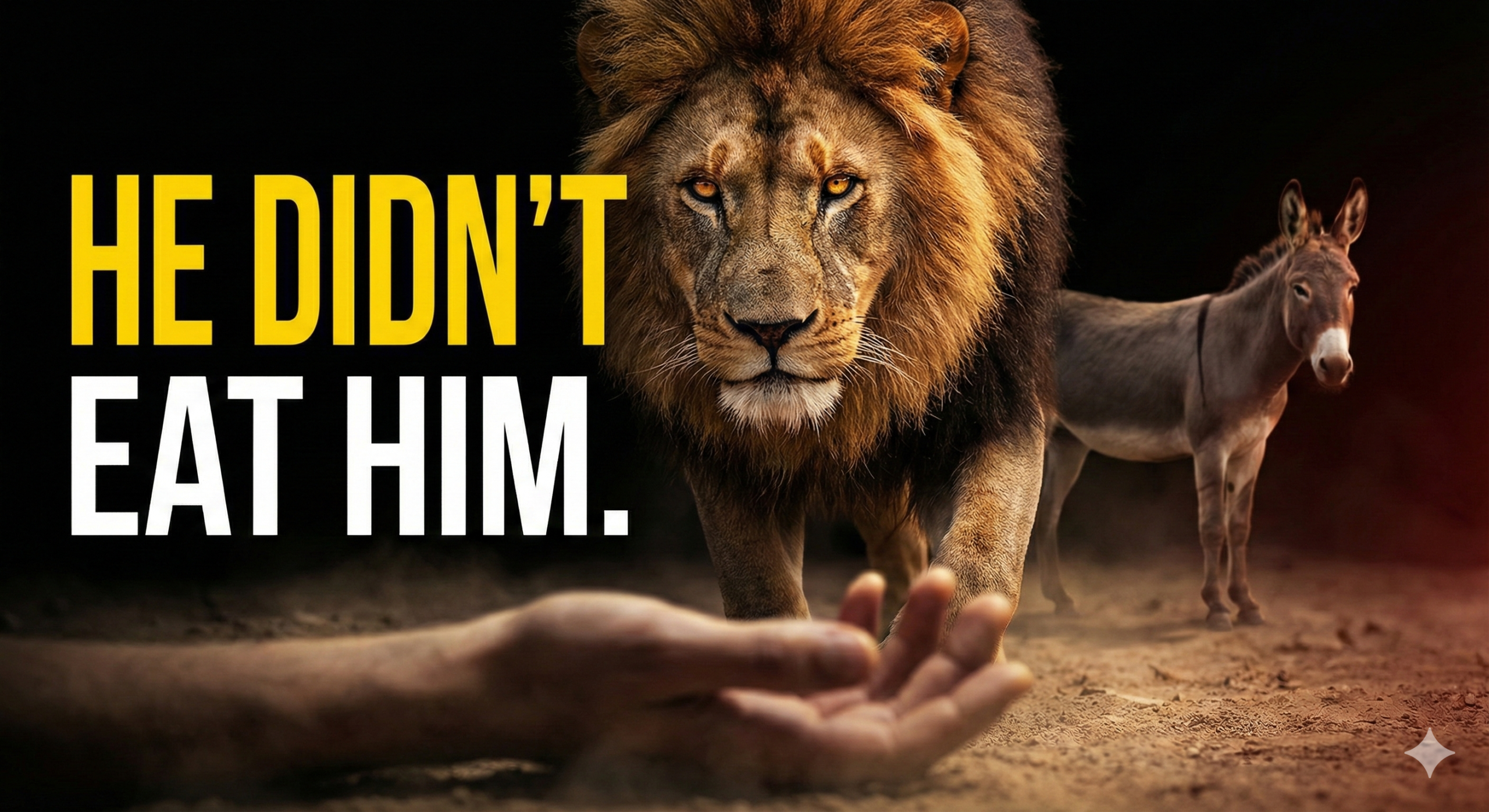
Sisera wasn’t just a soldier; he was a monster of efficiency. While Israel was a collection of tribes with farm tools and faith, Sisera had the Manhattan Project of the ancient world: 900 chariots of iron. Think about that. In a world of wooden carts and foot soldiers, an iron chariot was a tank. It was unstoppable. It was fast. It was terrifying.
The Israelites were forced off the main roads. They hid in the hills. They watched their crops burned and their children taken. The Bible says they “cried out to the Lord.”
Have you ever felt like you were facing your own “900 chariots”? A problem so big, so metallic, and so relentless that crying out is all you have left? If you’ve ever been in that season of life, type “I Believe” in the comments. Let’s support each other in the community.
But God doesn’t always send a giant with a sword to fight a giant. Sometimes, He sends a song. Or better yet, He sends a woman sitting under a palm tree.
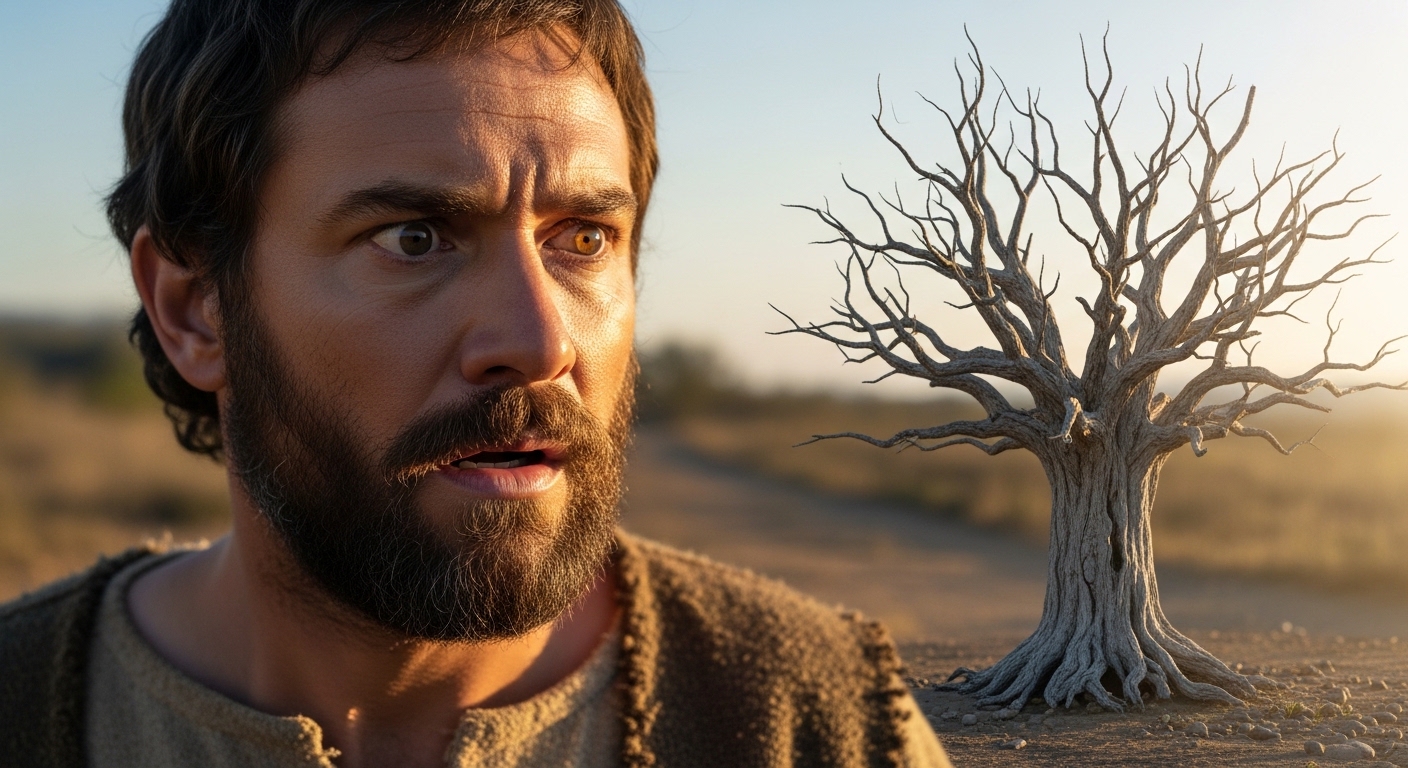
In the hill country of Ephraim, there was a woman named Deborah. She was a judge, a prophetess, and a mother in Israel. She sat under a specific tree—the Palm of Deborah—and people came from everywhere to hear the wisdom of God through her.
One day, the word of God burned in her spirit like a wildfire. She sent for a man named Barak.
“The Lord God of Israel commands you,” she told him. “Go, gather ten thousand men from the tribes of Naphtali and Zebulun. Lead them to Mount Tabor. God will lure Sisera and his chariots to the Kishon River… and He will give them into your hand.”
Barak looked at Deborah. Then he probably looked at his hands, which didn’t have iron in them. Then he thought about those 900 chariots. And his response is one of the most famous moments of hesitation in the Bible.
“If you go with me, I will go,” Barak said. “But if you will not go with me, I will not go.”
Was Barak a coward? Or was he just a man who knew that without the presence of the Divine, he was walking into a slaughter? What would YOU have done? Would you charge 900 tanks if a prophet told you to, or would you want that prophet right next to you? Share your thoughts below.
Deborah agreed to go. But she made a chilling prediction: “Because of the way you are going about this, the honor will not be yours. For the Lord will deliver Sisera into the hands of a woman.“
Barak likely thought she meant herself. He thought Deborah would get the glory. He had no idea there was another woman, miles away, currently tending to a tent, who was destined to become the most lethal name in the story.
Keep that name in mind: Jael. Because while Barak is preparing for a battle of thousands, Jael is about to win the war with a single tool from her toolbox. And it’s not what you think.
Sisera heard the news. The rebels were gathering on Mount Tabor. He smiled. This was exactly what he wanted. He wanted the Israelites out in the open.
He called his 900 chariots. He called his entire army. The ground shook as the iron wheels began to roll toward the Kishon River. From the top of the mountain, Barak and his 10,000 men looked down. It must have looked like a sea of black metal.
“Up!” Deborah shouted. “This is the day the Lord has given Sisera into your hand!”
And then, the impossible happened.
The Bible tells us that “from the heavens the stars fought.” A massive, torrential rainstorm broke out. The Kishon River, usually a modest stream, turned into a raging torrent. The flat plain became a swamp.
And those 900 iron chariots? They weren’t tanks anymore. They were anchors. The heavy wheels sank deep into the mud. The horses panicked. The pride of the Canaanite army was stuck, spinning its wheels in the muck.
Barak’s men charged down the mountain. It wasn’t a battle; it was an execution. Every single one of Sisera’s men fell by the sword. Not one was left.
Except for one.
General Sisera did something no hero ever wants to do. He abandoned his chariot. He leaped into the mud and he ran.
He ran through the rain. He ran through the blood. He ran until his lungs burned and his feet were shredded. He needed a place to hide. He needed someone who wasn’t an Israelite.
He reached the settlement of the Kenites. Now, pay attention to this: The Kenites were descendants of Moses’ father-in-law. They were neutral. In fact, Sisera’s king, Jabin, had a peace treaty with Heber the Kenite.
Sisera saw a tent. Not Heber’s tent, but the tent of Heber’s wife: Jael.
Why did he go to her tent? In ancient Middle Eastern culture, a man’s tent was open to guests, but a woman’s tent was a sanctuary. No one would ever think to look for a male general in a woman’s private quarters. It was the ultimate hiding spot. Or so he thought.
Before we see what happened when he stepped inside, if you’re enjoying this breakdown, please Subscribe and hit that bell 🔔. We are on a mission to tell every story in the Bible with this level of detail, and we don’t want you to miss the next one.
Jael stepped out to meet him. She didn’t look afraid. She didn’t look like an assassin.
“Come, my lord,” she said. “Come right in. Don’t be afraid.”
Sisera was exhausted. He was terrified. He went into her tent, and she covered him with a heavy rug.
“I am thirsty,” he rasped. “Give me a little water to drink.”
Jael did something clever. She didn’t give him water. She opened a skin of milk. Think about the psychology here. Milk is heavy. It’s warm. It’s the drink of a child. It signals safety. It signals “sleep.” She gave him a bowl of curdled milk, and as he drank it, his guard dropped.
He told her, “Stand in the doorway. If anyone comes and asks if there is a man here, say ‘No.'”
Then, the great General Sisera, the man of 900 iron chariots, fell into a deep, heavy sleep. He was snoring in the tent of a woman he thought was his servant.
Have you ever been lulled into a false sense of security by the enemy? Sometimes the greatest dangers don’t come with a roar; they come with a soft voice and a bowl of milk.
If this story is moving you, type “Amen” in the comments. We’re about to reach the climax.
The tent was silent. The only sound was the heavy breathing of the sleeping giant.
Jael looked at him. She knew who he was. She knew the blood he had spilled. She knew the prophecy of Deborah. And she knew that if he woke up and realized who she truly was, she would be dead in seconds.
She didn’t have a sword. She didn’t have a spear. But she was a woman of the desert. She knew how to build a home. And in the desert, women were the ones who pitched the tents.
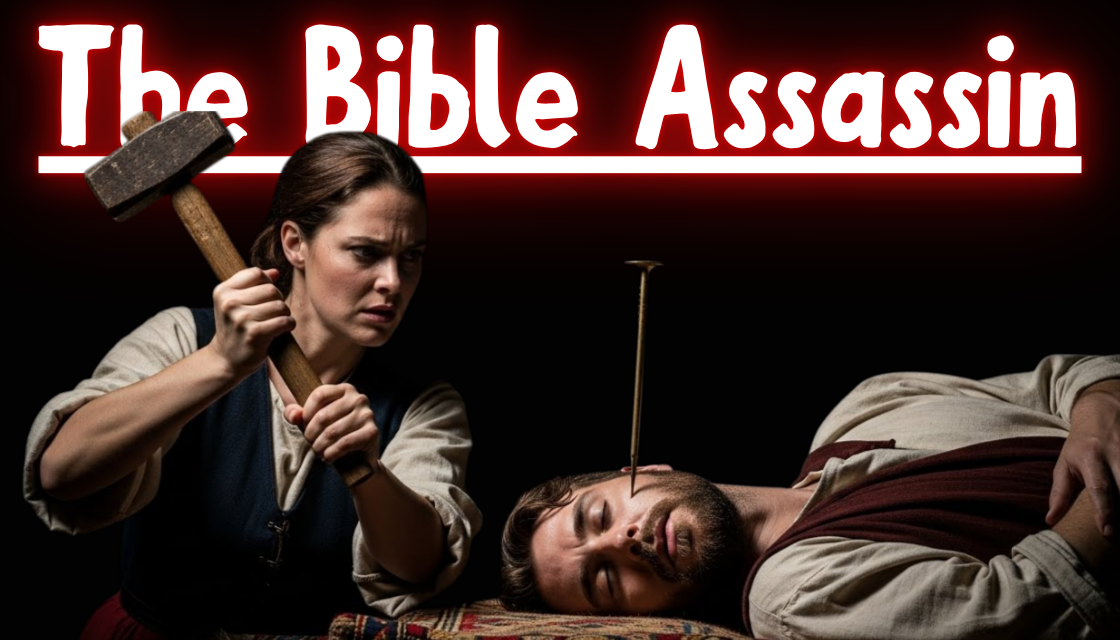
She picked up a tent peg. A long, sharp spike of wood or metal.
Then, she picked up the workman’s hammer.
She approached him softly. On tip-toe. She knelt by his head.
The Bible says she drove the peg through his temple and into the ground. She didn’t just hit him. She nailed him to the earth.
The man who tried to crush Israel under iron wheels was ended by a piece of wood and a hammer in the hands of a woman who was just “staying at home.”
When Barak finally arrived, searching for his prey, Jael stepped out.
“Come,” she said. “I will show you the man you are looking for.”
Barak entered the tent and saw the prophecy fulfilled. The honor didn’t go to the general. It didn’t even go to the prophetess. It went to Jael.
The war was over. The 20 years of oppression vanished in a single afternoon.
Deborah and Barak sang a song that day—a song that is recorded in Judges 5. And in that song, they don’t just mention Jael. They call her “Most blessed of women.”
Think about that title. Centuries later, that same phrase would be used for Mary, the mother of Jesus. Jael, the “assassin” of the tent, was seen as a savior.
Some people look at this story and see a cold-blooded murder. Others see a heroic act of liberation. What do YOU see? Was Jael a hero or a villain? There is no wrong answer here—let’s discuss it in the comments below.
The lesson of Jael is simple but profound: God does not need a massive army to win a massive war. He only needs someone willing to use what is in their hand. For Moses, it was a staff. For David, it was a stone. For Jael, it was a tent peg.
What is in your hand today? What “small” thing are you overlooking that God could use to defeat the giants in your life? Drop a 🙏 emoji if you’re asking God for the courage of Jael this week.
The story of Sisera’s fall reminds us that pride always goes before a crash. He trusted in his iron; he died in the mud. He trusted in his status; he died in a hidden tent.
But the story isn’t just about his death. It’s about the fact that God hears the cries of the oppressed. No matter how long the “twenty years” of your struggle have been, the “Kishon River” is coming. The rain is going to fall, the mud is going to rise, and your enemies will lose their grip.
If you loved this deep dive into the darker side of biblical history, you haven’t seen anything yet.
Do you know the story of the man who was so fat that when a hero stabbed him, the sword disappeared into his belly and the doors were locked from the inside? It’s the story of Ehud and King Eglon, and it is even more wild than this one.
Where are you reading from? Share your city below—I love seeing how far these stories travel.
Until next time, keep your faith high and your heart open. God bless.